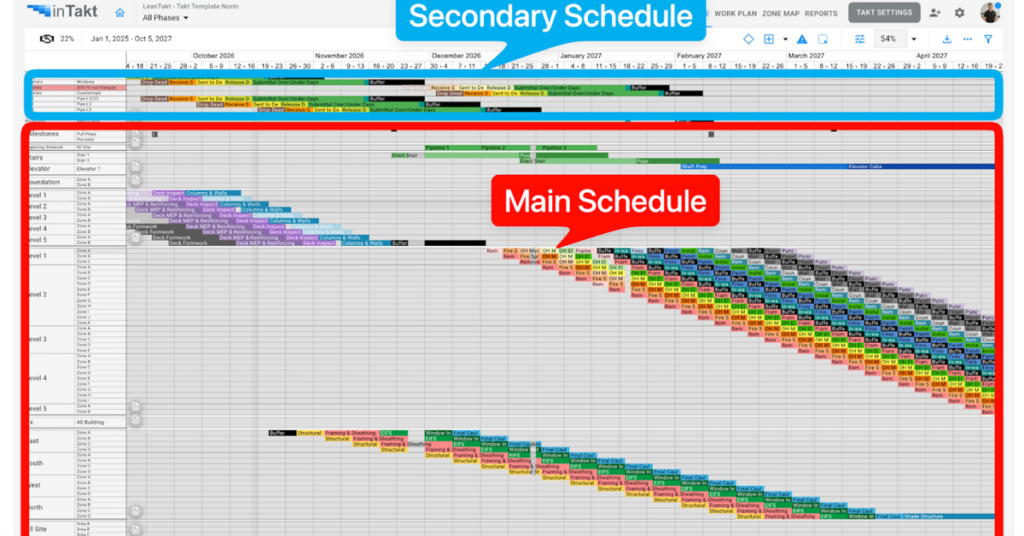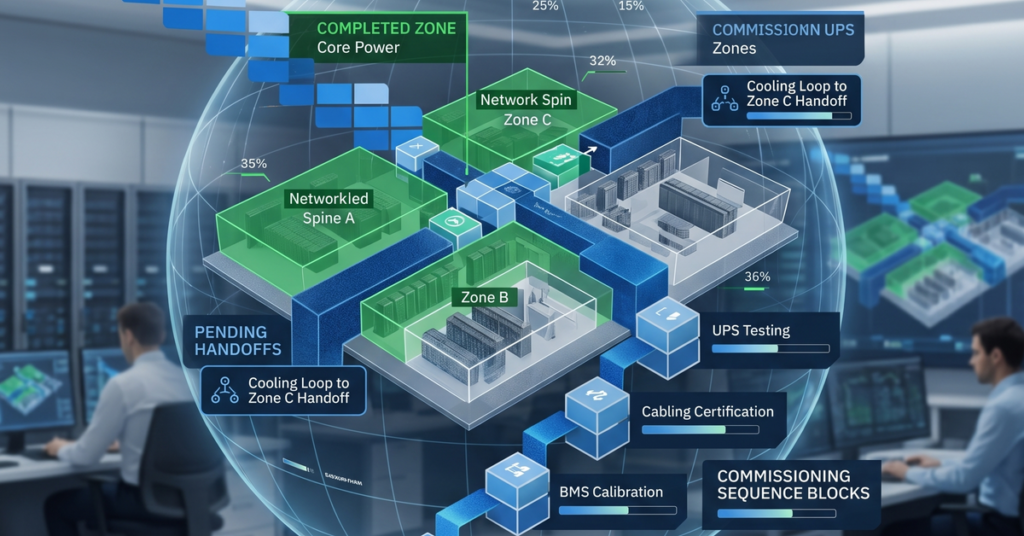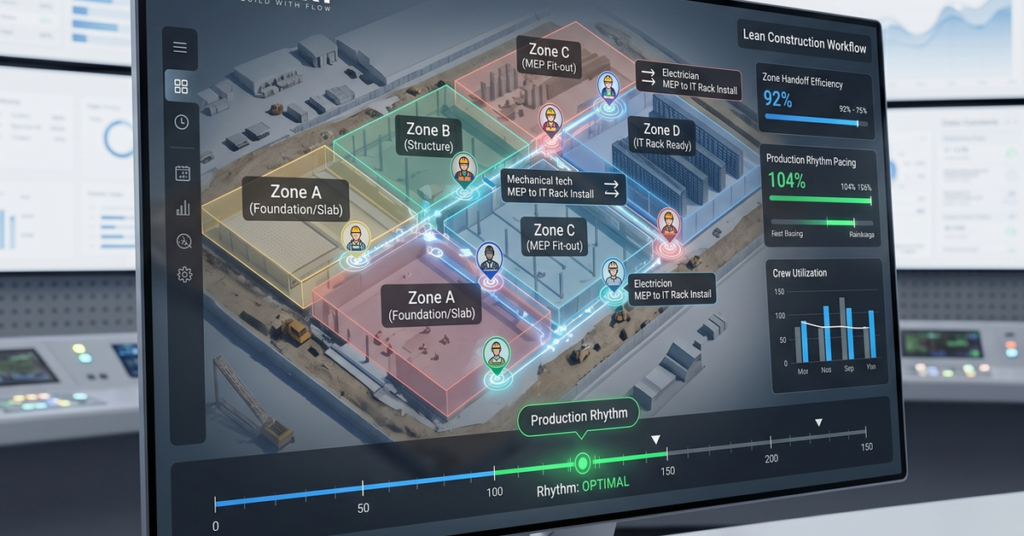
The schedule should set the strategy because it is where the whole system is balanced. It is where trade flow, logistical flow, staffing, and handoffs are designed to work together. Procurement exists to support that system by meeting need by dates and by warning the team when risk is building. In a healthy production system, the plan is the baseline and procurement is one of the inputs that either confirms readiness or exposes a constraint.
This is exactly why a connected procurement log matters. In inTakt, the procurement workflow can be set up so procurement delays affect linked construction tasks when appropriate, or run independently when you want visibility without letting procurement automatically move the field plan. That gives teams control: procurement can follow the schedule, while still surfacing what is threatened.
When procurement risk is captured early, the team can respond intelligently. Maybe the answer is resequencing within a zone to buy time. Maybe it is splitting areas, adjusting a buffer, or changing an install approach. The point is that the schedule remains the rhythm of production, and procurement becomes the early warning system that protects that rhythm.
The healthiest teams treat procurement like a spotlight. It shines on risk so the team can remove roadblocks ahead of the work. It does not replace the plan. It helps the plan succeed.