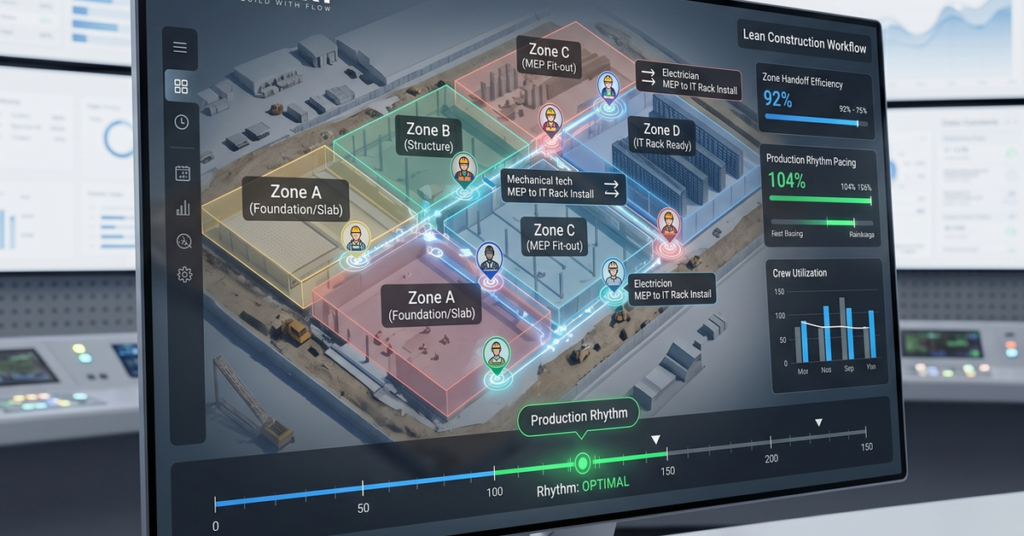
Measuring Takt Performance: The Metrics That Actually Improve Flow

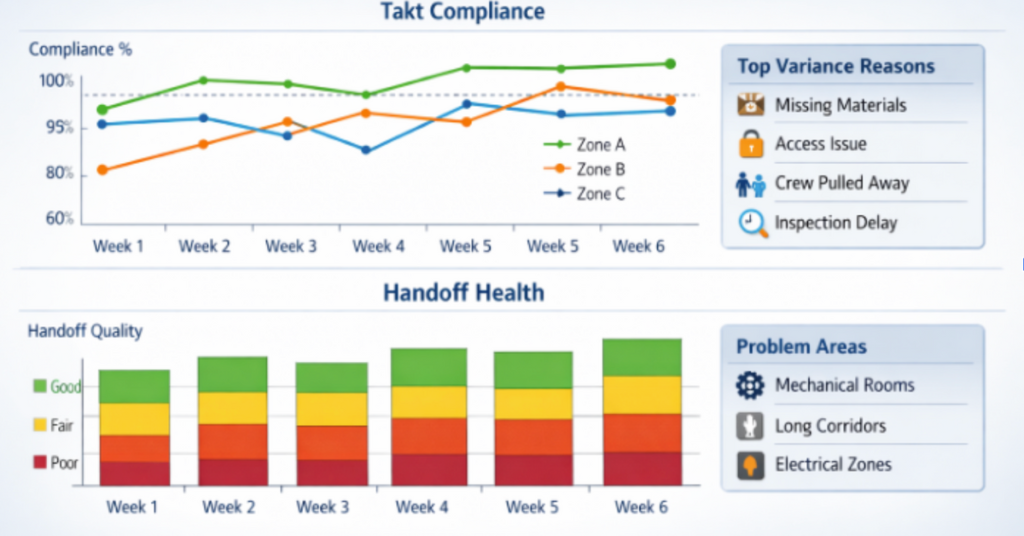
Start with Takt compliance. Did the trade complete their scope in the zone within the beat. This is the core signal. It tells you whether the plan matches capacity and whether the work is ready when it should be. Compliance is not a weapon. It is a mirror.

Then measure handoff quality. A zone can be marked complete and still be a bad handoff. If the next trade has to work around unfinished areas, return later, patch damage, or hunt for access, the handoff was not clean. Clean handoffs are the difference between a smooth train and a constant stop and start cycle.

Track variance reasons in plain language the field respects. Missing materials. Access not available. Crew pulled to another area. Inspection delay. Design question unresolved. If the reason is vague, you cannot fix it. If the reason is specific, you can improve the system.

Also look for patterns by zone type. Certain rooms, corridors, or mechanical spaces often carry more risk. If those zones consistently miss the beat, it might be a zoning problem, a scope definition problem, or a constraint management problem. The data helps you decide where to adjust, rather than guessing.

Use metrics to drive learning in short cycles. Weekly is fine, but daily is better when the project is moving fast. The point is to close the loop. You planned, you executed, you learned, you improved.

inTakt can help make these metrics easy to capture and easy to visualize without turning your team into data entry clerks. When the team sees simple trends tied to zones and trades, improvement becomes practical and collaborative.

The best outcome is not perfect compliance. The best outcome is a system that gets more reliable each week, because the team is removing causes, strengthening readiness, and protecting handoffs.
Share

Recent Posts

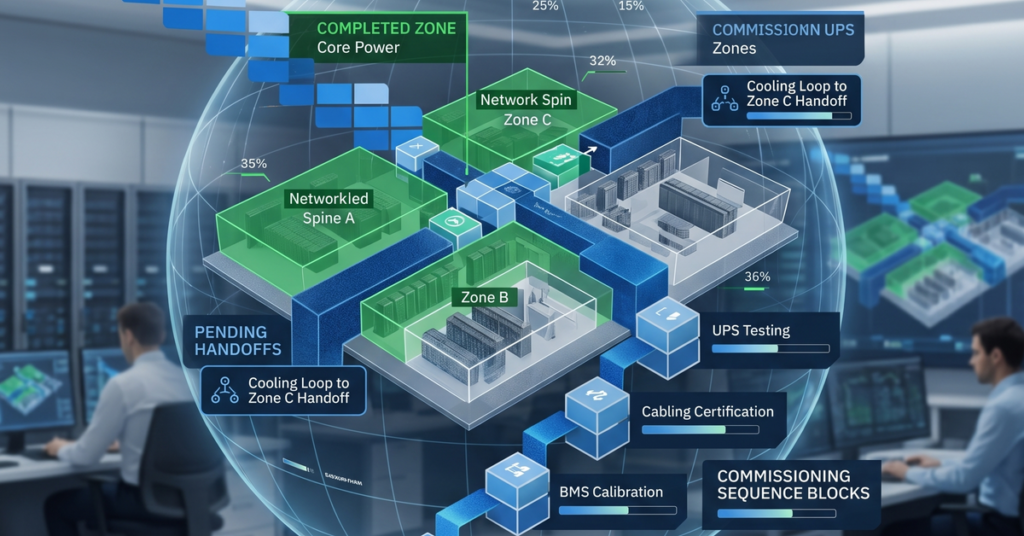
Data center commissioning zone map showing completed zones, pending handoffs, and commissioning sequence blocks

inTakt

June 5, 2026

How Takt Planning Supports Faster Data Center Commissioning

Commissioning is one of the most critical phases of data center construction. It is also one of the most schedule-sensitive. By the time a project reaches commissioning, every upstream delay matters. Incomplete rooms, missing equipment, unfinished systems, failed inspections, or unresolved punch items can all slow down testing and turnover. The problem usually begins earlier. If construction work does not flow properly through the building, commissioning teams inherit the consequences….

inTakt

June 4, 2026

Why Data Center Construction Needs Real-Time Schedule Visibility

Data center projects change quickly. A delivery shifts. A room is not ready. A trade finishes early. A commissioning activity reveals an issue. A constraint appears in a critical area. When that happens, teams need visibility immediately. Traditional schedules often lag behind field reality. By the time updates are collected, reviewed, entered, and redistributed, the jobsite may have already moved on. That delay creates confusion. Some teams work from the old plan. Others work from verbal…

inTakt

June 3, 2026

How Lean Construction Planning Improves Data Center Delivery

Data centers demand predictable delivery. But predictability is difficult when teams rely only on traditional scheduling methods. These projects include complex systems, aggressive deadlines, high-quality expectations, and many specialized trade partners. Every delay creates a chain reaction. Lean construction planning helps teams reduce that uncertainty. Instead of focusing only on task completion, lean planning focuses on workflow reliability. The goal is to reduce waste, improve handoffs,…

More Than Logic. Built for Production.

Traditional CPM tools manage activities and relationships. If you run full Takt, you’ll love it! If you run traditional CPM, you’ll wonder why your software never did this before.