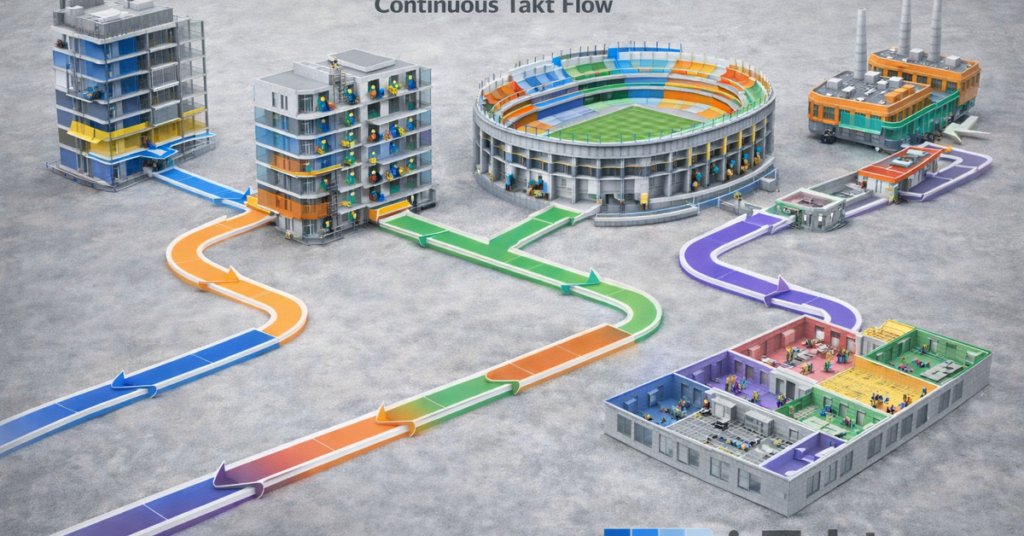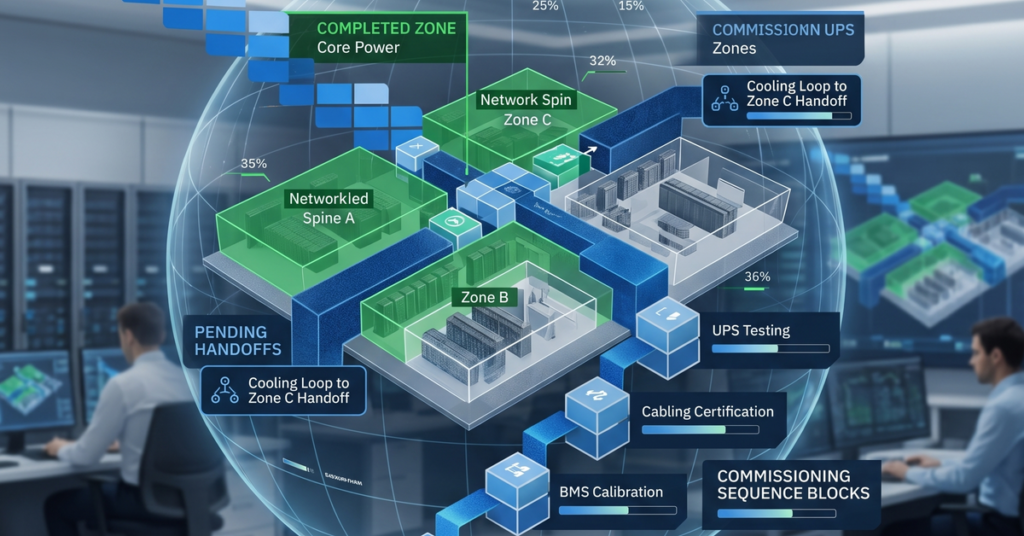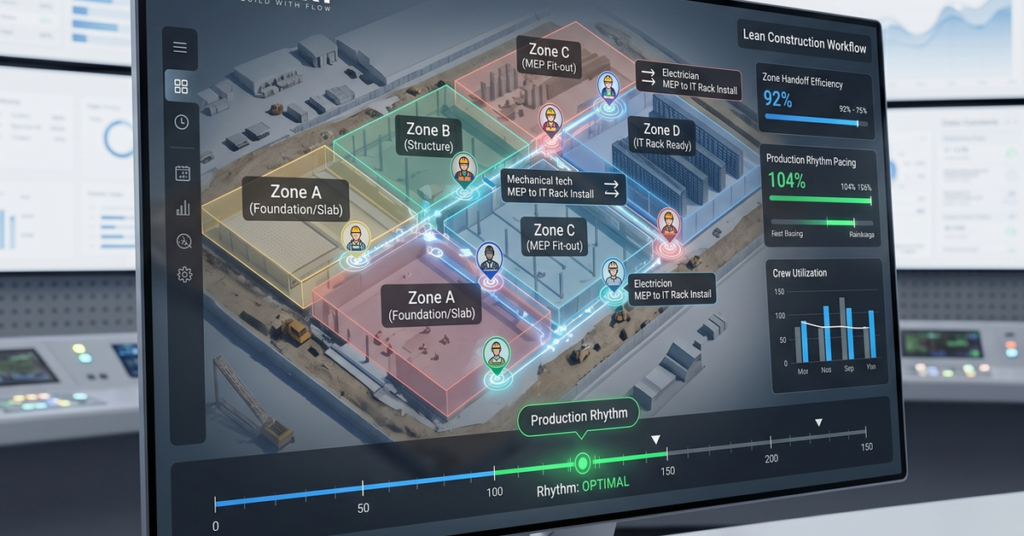
The reason is that Takt Planning focuses on how work flows through a project rather than simply listing activities. By organizing work into zones and sequences, teams can create a predictable production system that reflects how the building is actually constructed.
This approach becomes even more powerful when zones are based on work density. Not all areas of a building require the same level of effort. By accounting for these differences, teams can maintain a steady rhythm and avoid bottlenecks.
Another key factor is visibility. When the schedule is visual and shared, teams can see where work is happening, where it is going next, and what risks are forming. This improves coordination and allows for faster decision making.
inTakt supports this process by keeping the schedule live and connected to the team. Changes are visible immediately, and coordination happens in real time.
No matter the building type, the goal remains the same. Create flow, protect handoffs, and keep production moving forward. That is why Takt Planning works everywhere.