Category: What is Takt Scheduling

Explore articles, tips, and prospectives on construction scheduling, production flow, and improving project reliability. From tactical job-site ideas to broader planning concepts, out goal is simple: help teams build more predictable projects.

New ideas. Practical guidance. Continuous improvement

inTakt

April 17, 2026

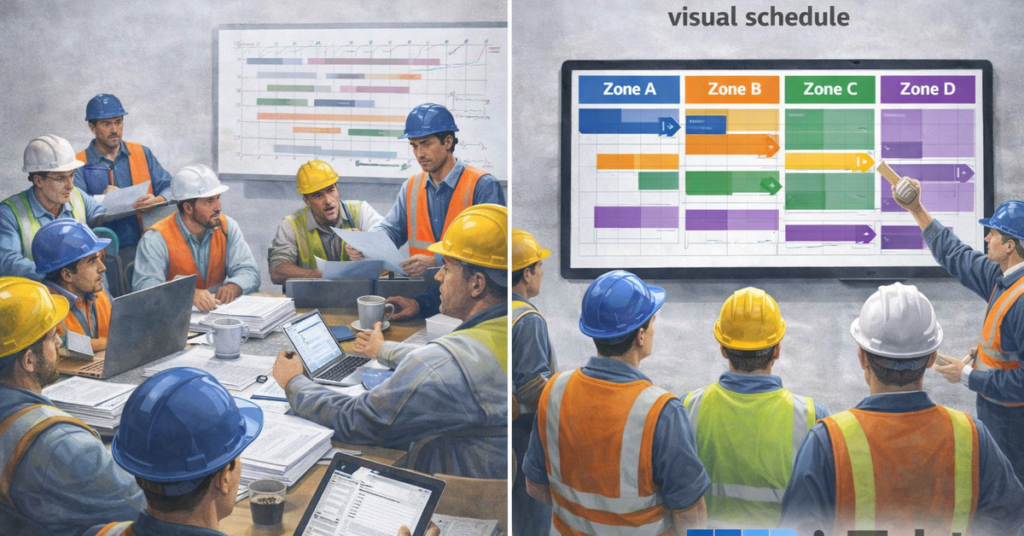
Why Coordination Meetings Don’t Fix Coordination Problems

When coordination starts breaking down on a project, the natural response is to schedule more meetings.More check-ins. More conversations. More attempts to “get everyone aligned.”And yet, despite all that effort, the same issues keep showing up in the field.Trades overlap. Spaces aren’t ready. Teams arrive with different expectations of what should be happening.The problem isn’t a lack of communication. It’s a lack of shared clarity.Meetings can help teams talk through problems, but they don’t f

inTakt

April 16, 2026

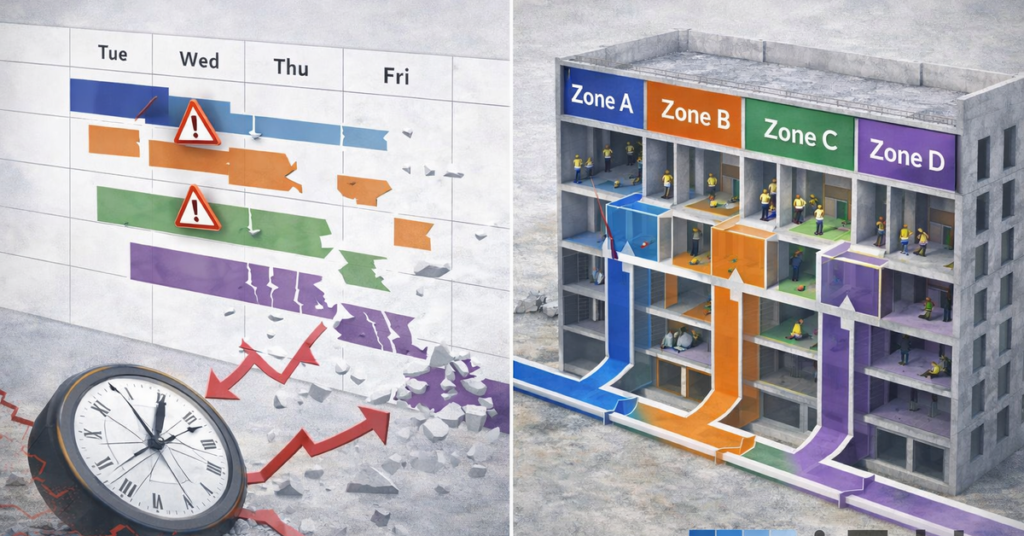
The Hidden Reason Your Project Keeps Falling Behind

When a project starts falling behind, the first instinct is to look at productivity. Are crews working hard enough? Are there enough people onsite? Are tasks taking longer than expected?But in most cases, that’s not where the problem starts.Projects don’t fall behind because people aren’t working. They fall behind because the work isn’t flowing.Delays are often the result of small misalignments that compound over time. A crew shows up before an area is ready. Another trade finishes late and bloc

inTakt

April 15, 2026

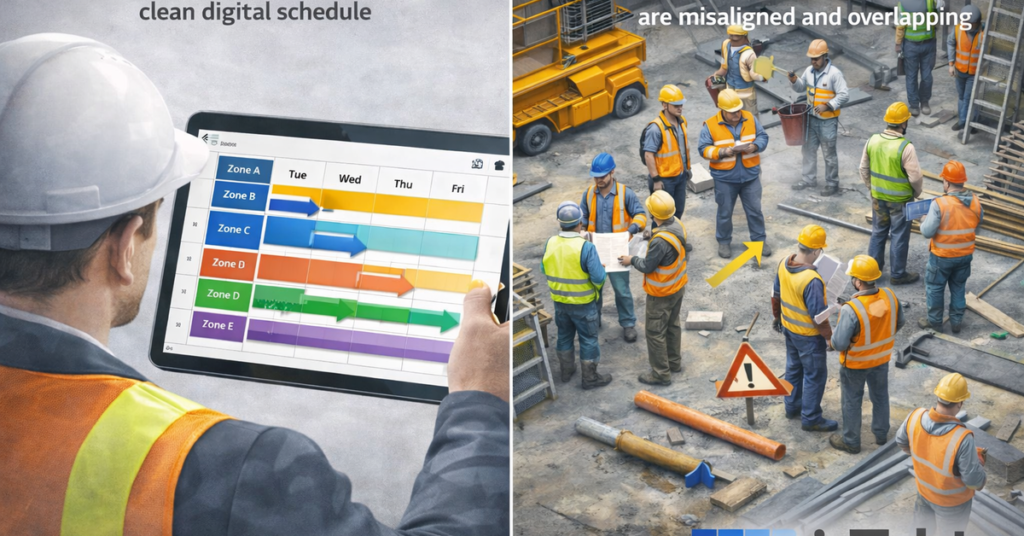
Why Your Construction Schedule Looks Good But Fails In The Field

On paper, your construction schedule probably looks solid. Activities are linked, durations are defined, and milestones are clearly mapped out. From a distance, everything appears under control.But the moment you step onto the jobsite, a different reality shows up.Crews are waiting for access. Work is happening out of sequence. Teams are asking basic questions about what should be happening next. And despite having a “complete” schedule, the project feels misaligned.This gap between planning and

inTakt

March 16, 2026

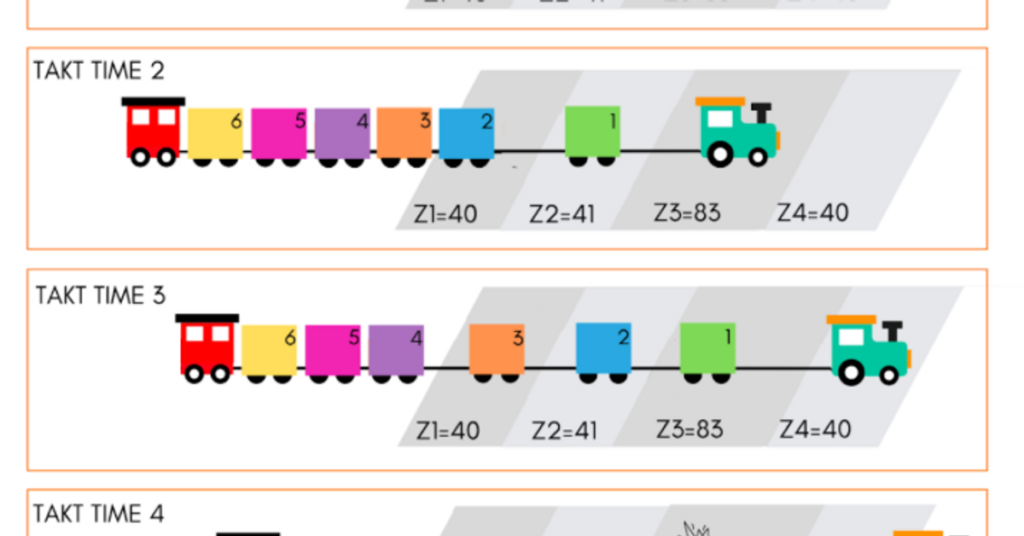
These are 3 reasons to learn Takt Planning

Takt Planning is becoming one of the most important scheduling methods in modern construction. While traditional schedules focus on activities and dates, Takt focuses on flow, coordination, and repeatable production.Here are three reasons more construction teams are learning Takt Planning.The first reason is better trade coordination. Takt organizes work so trades move through zones in a consistent sequence. Instead of spreading work everywhere, crews advance together through the building. This

inTakt

February 12, 2026

Leading a Takt Project: What Superintendents Do Differently

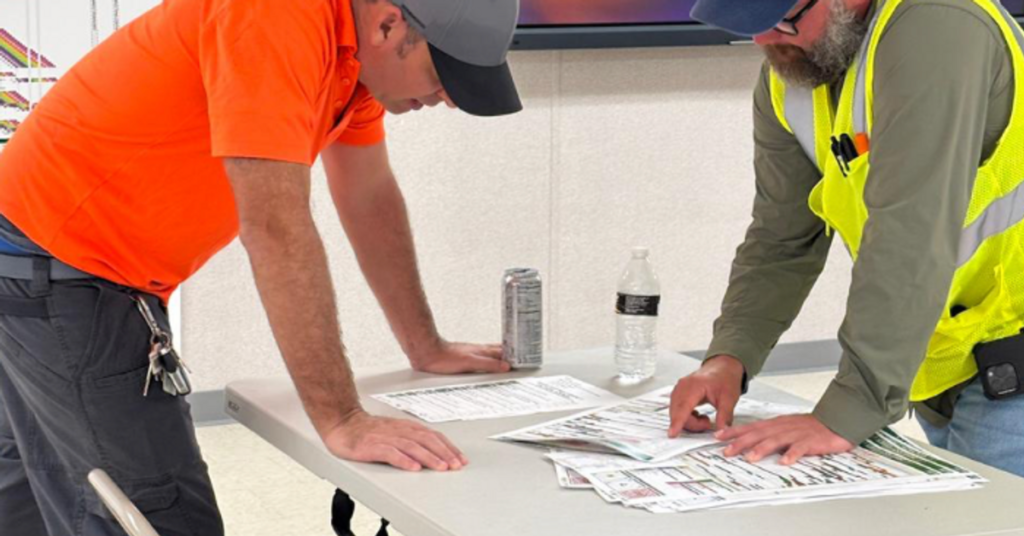
Takt planning is not something you print and hand out. It is a way of running the job. The superintendent sets the tone, and Takt succeeds when leadership protects flow, protects readiness, and protects handoffs.The first leadership move is making the plan visual and simple. If the team cannot see the zones, the train, and the beat, they cannot follow it. Great superintendents keep the plan present, not buried. They make sure every foreman can point to the current zone, the next zone, and what d

inTakt

February 10, 2026

Measuring Takt Performance: The Metrics That Actually Improve Flow

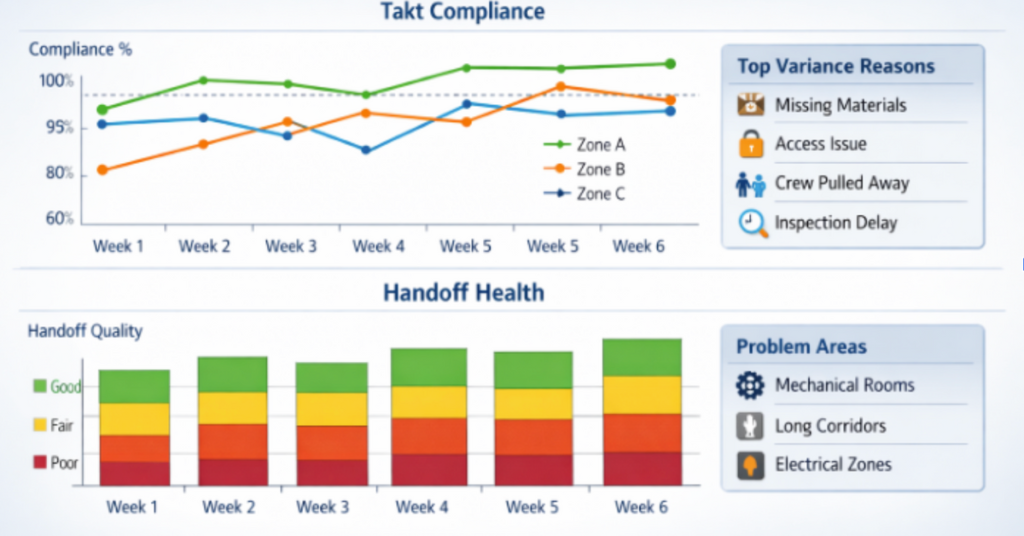
If you want Takt to improve over time, you need feedback that matches how Takt works. Many teams track activity, like hours spent or percent complete, but Takt is about flow. Flow requires different measurements.Start with Takt compliance. Did the trade complete their scope in the zone within the beat. This is the core signal. It tells you whether the plan matches capacity and whether the work is ready when it should be. Compliance is not a weapon. It is a mirror.Then measure handoff quality. A

inTakt

February 9, 2026

Look Ahead Planning That Protects Takt Flow

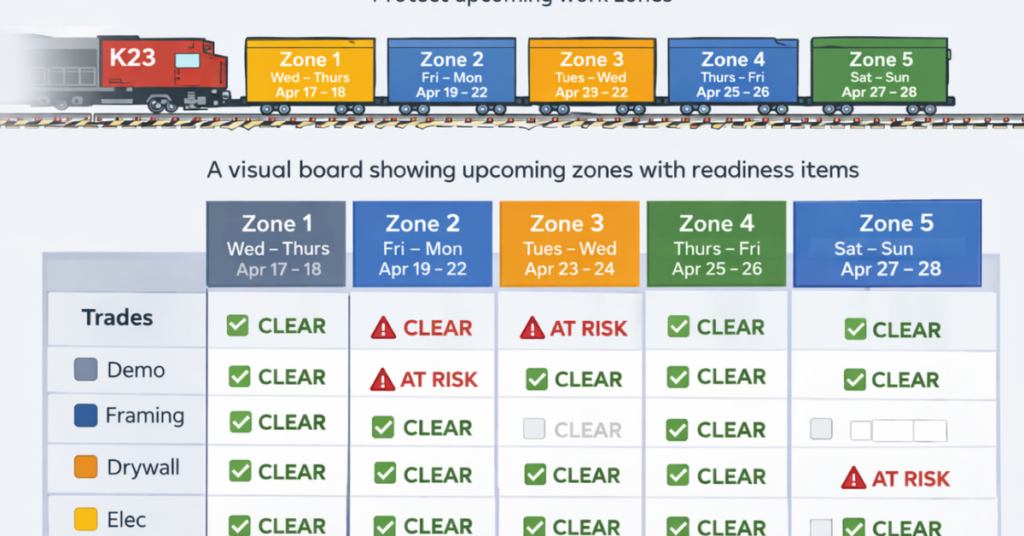
Takt planning creates a rhythm, but look ahead planning protects it. Without look ahead, the train arrives at a zone and discovers the work is not ready. That is when teams start improvising, jumping around, and breaking the very flow they worked hard to design.Readiness is not a feeling. It is a checklist of conditions that must be true before a crew enters a zone. Access must be available. Materials must be staged. Information must be complete. Inspections must be planned. Safety and logistics

inTakt

February 6, 2026

Pull Planning and Takt: How to Connect the Workshop to the Schedule

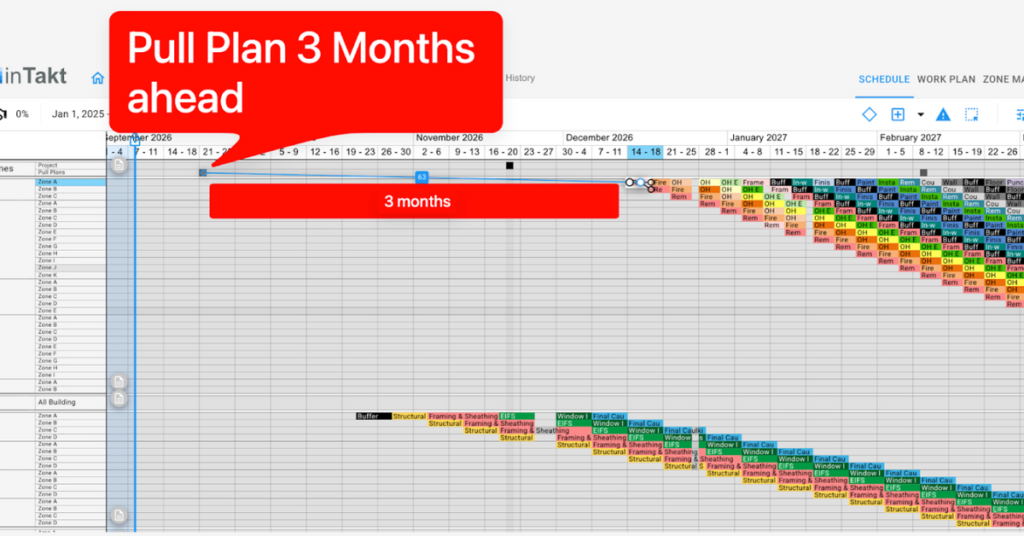
Pull planning and Takt planning are often treated as separate events. The team does a great pull plan workshop, then later someone converts it into a schedule. That separation is where good intent gets lost.Pull planning is about logic and promises. It helps the team align on milestones, dependencies, and the sequence needed to hit a target. Takt planning is about space and rhythm. It turns that logic into a repeatable production system with zones, beats, and a Train of Trades.If you pull plan w

inTakt

February 5, 2026

Buffers That Protect Flow Without Hiding Waste

Every construction team knows surprises happen. The problem is not surprises. The problem is when your plan has no way to absorb them. That is when one small issue turns into a chain reaction and your Takt train collapses.Buffers are a way to acknowledge variability without giving up flow. They are planned recovery capacity, built into the system so the project can bend and still stay in rhythm. A good buffer is intentional, visible, and tied to a real risk.The wrong way to use buffers is to spr

inTakt

February 4, 2026

Train of Trades: How to Build a Sequence Crews Will Actually Follow

A Train of Trades is not a fancy phrase for a schedule. It is the operating system for the job. When the train is designed well, trades move through zones with confidence, handoffs are clean, and the project feels controlled. When the train is designed poorly, the job becomes a daily argument about who should be where.The first step is defining what done means. Not done as in we touched it, but done as in the next trade can start without workarounds. This definition of done must include quality